The right piece of land is the one where the home you’ve imagined fits, sits well, and works from day one. The best way to know that before you choose a lot is to talk it through with your builder.
That conversation should cover five things: the home you plan to build, the site conditions, access, utilities, and the documents your builder needs to plan. This guide walks through each one, plus the questions worth asking your builder before you commit to a property.
Why should you talk to a builder before you choose land?
A builder can tell you whether the home you want fits a specific lot, where it can sit, and what site work it needs. Talking before you choose land helps you pick a property that suits your plans, instead of adjusting your plans to fit the land.
You don’t need a signed contract to have this conversation. Many buyers talk with one or two builders while they compare properties. The most useful step is getting your builder onto the land itself. A builder who has walked the homesite, seen the slope, and looked at the survey can give you far better answers than one who has only seen a listing.
What home do you plan to build, and will it fit the lot?
Start by sharing the home you have in mind: its size, footprint, and style, plus any garage, workshop, barn, or other structure you want on the property. Your builder can then tell you whether it fits the lot, where it works best, and what the land needs to support it.
Cover these points:
- Size and layout. Approximate square footage, number of stories, and whether the home is long and low or compact and tall. A wide single-story home needs a different homesite than a two-story one.
- Foundation type. Slab, crawlspace, or basement. The slope of the homesite affects which one makes sense, and a walkout basement can turn a sloped site into an advantage.
- Garage and driveway orientation. Which way the garage faces changes how the driveway reaches the home.
- Other structures. A detached workshop, a barn for animals, or a barndominium. Ask where each could go and how it relates to the home. [barndominium land article]
- Zoning and setbacks. Every property has a zoning designation that sets what you can build and how far structures must sit from property lines. Some North Georgia lots carry A2 agricultural zoning, for example, which allows a wide range of rural uses. Check the zoning for each property and share it with your builder.
Which site conditions should your builder review?
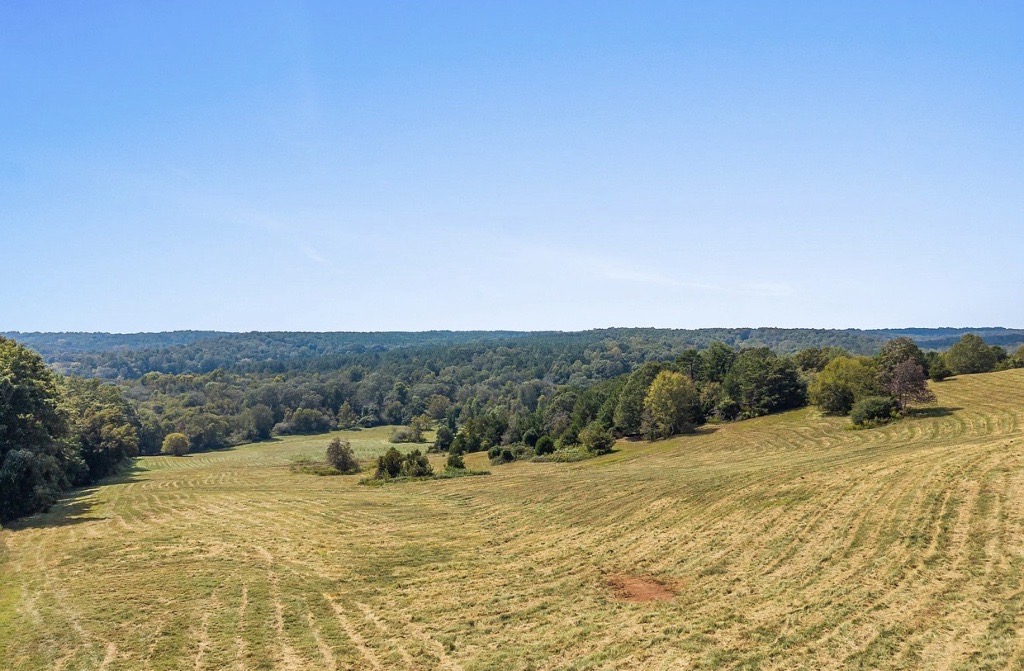
The slope, the soil, the trees, and the way water moves across the land all shape where your home sits and how much site work it needs. Ask your builder to walk the property and point out anything that changes the plan.
- Slope and topography. Gentle slopes are easy to build on; steeper ones may call for more grading or a different foundation. Ask where the most natural building spot is.
- Soil and septic. On rural land, the home usually relies on a septic system, and a perc test completed by a licensed soil scientist shows where the soil can support one. The home, the septic area, and the well all need to fit together on the lot, so share the perc test results with your builder early.
- Trees and clearing. On a Build Ready property, the homesite is partially cleared, so you can see where the home will sit. Talk with your builder about which trees to keep for shade, privacy, and character.
- Drainage. Ask how water flows across the lot after rain and whether the homesite needs any grading to direct water away from the home.
- Anything unusual. Rock, wet spots, or steep banks. Your builder will know whether they matter for your plans.
What should your builder know about access?
Building a home brings crews, materials, and heavy trucks onto the property, so confirm that the driveway and road access work for construction, not just for everyday driving.
- The driveway. Show your builder where the driveway enters the property and how it reaches the homesite. With the driveway installed, your builder can plan deliveries and parking from the first day on site.
- Road access. Know whether the property is reached by a county road or a private road, since that can affect how deliveries are scheduled and how the road is maintained. If the property is on a private road, ask the seller how it’s maintained and share that with your builder. [road frontage vs private road access]
- Room for trucks. Ask whether delivery and concrete trucks can turn around and unload near the homesite, or whether a staging area is needed.
- Your final driveway. Talk about whether the driveway’s location and surface suit the home you plan, especially if you want a garage, a workshop, or room for a trailer.
Which utilities should you discuss with your builder?
Talk through power, water, septic, and connectivity. Each one affects where the home sits and how the property is laid out.
- Power. On a Build Ready property, underground power is installed to the property. Show your builder where it reaches and ask how they’ll plan the run to the home and any outbuildings.
- Water. Every current Millwood property uses a private well rather than county water. Ask your builder where the well can go, since it needs to sit a safe distance from the septic area.
- Septic. The perc test results guide the type of septic system and where it goes. Your builder will plan the home around that area.
- Internet and cell service. Check coverage at the homesite, not just at the road, especially if you work from home.
- Fuel. If you plan to use propane for heat, cooking, or a generator, ask where a tank could go.
What information should you give your builder?
Bring documents, not descriptions. A builder can plan with the survey, the plat, and the perc test results in hand, and give you answers grounded in the actual property.
Use this checklist:
- Boundary survey showing the property’s exact lines and size
- Recorded plat for the property
- Perc test results from the licensed soil scientist
- Zoning designation for the property
- Parcel ID and address so your builder can look it up with the county
- HOA and restrictions status. Millwood properties have no HOA and no recorded deed restrictions.
- Driveway and power locations on the property
- Photos, drone footage, or the interactive parcel map for the property [confirm availability per listing]
- Your home plans or inspiration so your builder can check the fit
When you schedule a land tour with Millwood, ask for the property’s documents ahead of time so you can share them with your builder before you visit.
What questions should you ask your builder?
Ask about their experience with rural land, what their site work includes, and how they handle permits. Their answers tell you whether they’re the right fit for building on acreage.
- Have you built on land with a private well and septic system? Experience with rural sites makes planning smoother.
- Will you walk the property with me before I choose it? A builder who sees the land gives better advice.
- What site work is included in your price, and what isn’t? Clearing beyond the homesite, grading, the driveway extension, and utility runs are common points to clarify.
- Who handles building permits for this county, and what do you need from me? This varies by builder and county.
- Is there anything about this lot that would change your plans? It’s the simplest way to surface concerns early.
Bring your builder to the land
The best builder conversations happen on the property itself. A Build Ready property gives your builder most of their answers on day one: driveway installed, homesite partially cleared, underground power installed, perc test completed, boundary survey completed, property lines marked, and road access in place. That leaves you free to focus on the part that matters most: the home you’ll build there.
When you’ve found land you love, bring your builder along and see it together.