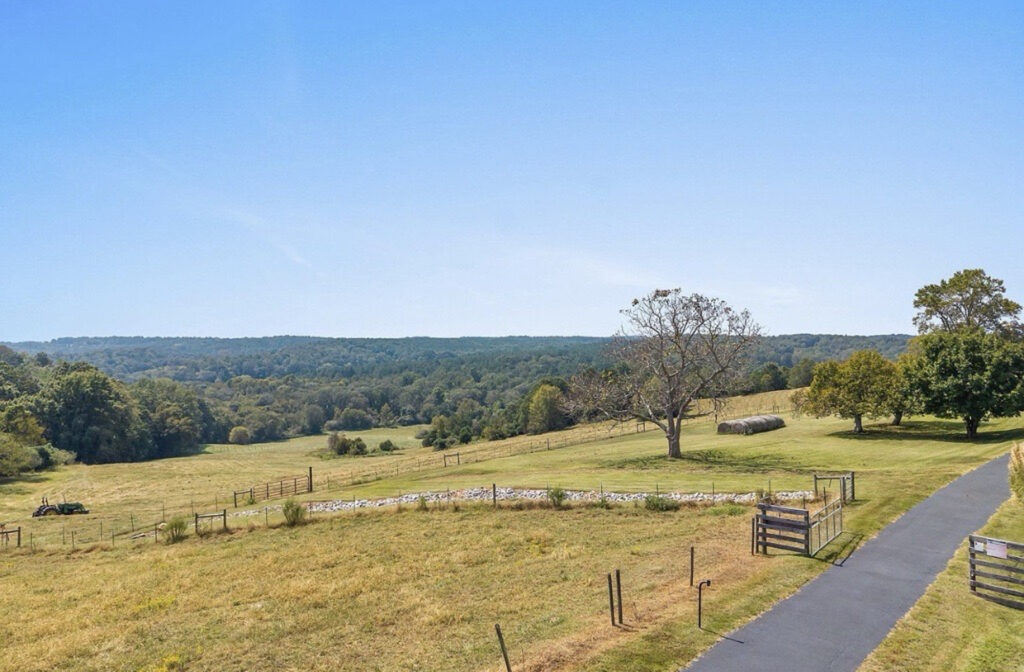
Somewhere between the turkey and the pie, someone says it: “What if we bought land together?”
It could be a place for holidays, a home for your parents down the road from yours, or room for everyone to spread out. Everyone at the table loves the idea.
Then the questions start. Whose name goes on the deed? Who pays for what? What happens if someone wants out in ten years?
Those questions don’t mean the plan is a bad one. They mean your family is taking it seriously. Here are five conversations to have before you choose a property, along with the facts that make each one easier.
1. Agree on what the land is for
“Somewhere for the family” sounds like one plan, but it’s usually three or four. One person pictures a weekend getaway. Another wants to build a full-time home in two years. Someone else is thinking about a big garden, a few animals or keeping land in the family for the next generation.
None of those plans is wrong. But each one needs different things from the land, and the time to find that out is before you choose it.
Go around the table and ask:
- What would you do on the land?
- How often would you use it?
- Do you plan to build? If so, what and when?
- Is there anything you would not want on the property?
- Are we buying to use the land now, to hold it for later or both?
You don’t need matching answers. You do need to know where your answers match and where they don’t.
2. Understand what co-owning land actually means
This is the part that surprises most families.
When several people buy one tract together, each person typically owns a share of the whole property, not a particular piece of it. The Georgia Department of Revenue explains that co-owners can hold equal or unequal shares, and that each co-owner may have the right to use and enjoy the property along with the others.
So if your sister gets “the front four acres” and you get “the back four,” that agreement doesn’t appear on the deed. Legally, you both own an interest in all eight.
Two more things to know:
- Paying more doesn’t automatically mean owning more. If one person puts in 60% of the purchase price, their ownership share is still whatever the deed and your agreement say it is.
- Ownership can change hands in ways you didn’t plan. What happens to an owner’s share when they die depends on how the deed is written. If a share passes to several heirs without a plan, ownership can spread across more relatives with each generation, and every future decision gets harder. UGA Extension encourages families to plan ahead for how property will be managed and passed down.
This is the conversation where a Georgia real estate attorney earns their fee. Ask them to walk your family through the ownership options, how the deed should be prepared and what happens if an owner dies or wants to transfer their share.
3. Find out whether everyone can build
If more than one person hopes to build a home, this question comes before every other question about the property: can this tract support more than one home, and could it ever be divided into separate lots?
Your family can’t settle that on its own. Zoning, minimum lot sizes, road frontage requirements and other local rules all affect whether a second home or a future split is possible, and the answer may involve more than one county office. A tract with plenty of acreage may still allow only one homesite.
Each planned home needs an approved water and wastewater plan. Depending on the property and local requirements, systems may be individual or shared. Contact the county Environmental Health Office to ask what evaluations and approvals your plans would need.
Before you choose a property, also call the county planning and zoning office about homes and lot divisions. Those conversations turn “we’ll each build someday” from a hope into a plan.
4. Agree on how you’ll share costs and decisions
The purchase price is only the first bill. Plan for property taxes, insurance, road upkeep and future improvements, and decide now how you’ll handle them:
- Will you split costs equally or by ownership share?
- Who keeps track of bills, receipts and paperwork?
- What happens if someone can’t pay their share on time?
Then talk about decisions. Start with an ordinary weekend: Who can visit? Can owners bring guests? Does anyone need to reserve dates? Then move to the big ones: Would everyone need to agree before building, clearing trees or adding a driveway? Could one person handle small decisions for the group?
Setting the rules now is far easier than setting them in the middle of a disagreement. Put what you agree on in writing.
5. Plan for the day someone wants out
Eventually, someone will move, need the money or lose interest. That isn’t the plan failing. It’s just life.
If someone wants to leave, they may be able to ask a court to partition the property. Depending on the circumstances, that could mean dividing the land or ordering a sale. The outcome isn’t automatic, so ask a Georgia real estate attorney how the law and a written co-ownership agreement could apply to your family. A written plan can also give everyone a clearer path:
- If someone wants to leave, can the others buy their share first?
- How will you agree on a fair price?
- How will you decide whether to sell the whole property?
- What will you do if you can’t agree?
You can’t predict everything, but you can agree on how you’ll handle change. Your attorney can help you put it in writing.
Choose land that answers the property questions for you
Once your family agrees on a plan, the land has to fit it. With several people involved, every open question about a property becomes one more thing to debate. Where exactly are the boundaries? Will the soil support a septic system? How does power reach the homesite? Where would a home go?
Every Millwood property is Build Ready, so many of those questions are answered before your family ever visits: driveway installed, homesite partially cleared, underground power installed, perc test completed by a licensed soil scientist, boundary survey completed, property lines marked and road access in place. Millwood land also has no HOA and no recorded deed restrictions, so your family’s plans answer to county requirements, not a neighborhood board.
Build Ready means those preparation items are complete. It doesn’t mean every home or lot division your family has in mind will be approved. Confirm your specific plans with the county planning and zoning office and Environmental Health Office before you choose a property.
Stone Ridge Estates near Commerce is one example. It has 12 lots across about 93 acres in Jackson County, near the North Oconee River, with no HOA and no recorded deed restrictions. Its Build Ready lots have the boundary survey completed and property lines marked, so the whole family can walk each lot and see exactly where it begins and ends. With several lots in one place, you can tour more than one option in a single visit. It can also open a different conversation: would your family’s plans work better if each household owned its own lot instead of sharing one tract? Separate lots can mean separate deeds, separate decisions and fewer of the co-ownership questions above. Each lot will need a private well.
Before you choose a property, can your family answer these?
- What is the land for, and who will use it?
- How will ownership be set up, and has an attorney reviewed it?
- Can the tract support every home we hope to build?
- How will we share costs and make decisions?
- What happens if someone wants out?
If a few answers are still “not sure,” that’s fine. Now you know which conversations come next.
Bring the whole family
The best next step is one you take together. Schedule a land tour and walk the property as a family, so everyone can see the land, ask questions and decide whether it fits your plan.
Call Millwood Land Company at 470-900-4282 or email [email protected] to schedule a land tour in Jackson County.
This article is for general educational purposes and is not legal advice. Consult a Georgia real estate attorney about your family’s ownership structure and agreement.