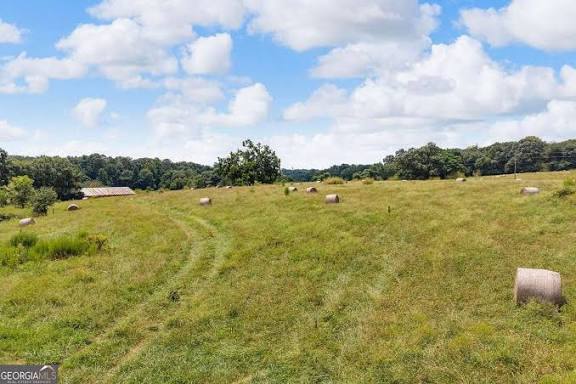
Fresh eggs in the morning. Tomatoes picked a few steps from the kitchen. A couple of goats browsing along the fence. A horse grazing where you can see it from the porch.
You may have been picturing some version of that for years. What you need now is land where those plans can take shape.
When you start looking at acreage in North Georgia, though, the questions get practical. How much space would you need? Can you keep animals on the property? Where would the garden go once you account for the house, driveway and septic system?
The right property should make those questions easier to answer. Here is what to look for before choosing land for a small farm or homestead.
Start With What You Want to Do on the Land
Before deciding how many acres to buy, write down what you want those acres to support.
A vegetable garden and a small flock of hens create a different set of needs from two horses, a barn and fenced pasture. Goats add their own requirements for secure fencing, shelter and feeding.
Separate your plans into what you want to start with and what you might add later. Perhaps the garden comes first, chickens follow next spring, and horses are a longer-term goal.
That distinction helps you compare properties. You can focus on what needs to work immediately while checking that future plans would still fit.
Think about your everyday routine, too. Where would you carry feed? How far would you walk to collect eggs? Could someone else care for the animals easily while you are away?
A homestead should work on a rainy morning before work as well as it does on a sunny Saturday.
Check Zoning Before Planning the Coop or Barn
Before buying land for animals, confirm the parcel’s zoning, the local government responsible for it, and the requirements for your intended use.
For land in unincorporated Jackson County, start with the county’s Planning and Zoning Division. A property inside city limits may come under different rules. Jackson County provides zoning information and directs buyers to the planning department for official verification.
Be specific about what you have in mind. “Can I have a small farm?” is less useful than asking whether you can keep six hens, three goats or two horses on a particular parcel.
Ask about:
- Permitted animal uses and any minimum acreage requirements.
- Limits or conditions affecting the number of animals.
- Required distances from neighboring homes and property boundaries.
- Approvals for barns, shelters, coops and other structures.
- Whether boarding animals or selling farm products would change the requirements.
Review recorded restrictions and easements as well.
No HOA and no deed restrictions can give you more flexibility, but they do not replace zoning, building, septic or other applicable requirements. Confirm what your plans require before committing to the property.
How Much Land Do You Need for Chickens, Goats and Horses?
The acreage on a listing is only part of the answer.
Some of that land will accommodate the house, driveway and septic areas. Other portions may be wooded, steep or wet. What matters is how much suitable ground remains and whether it connects in a useful way.
Chickens: A Small Footprint With Daily Access
A modest flock can be a manageable place to begin. UGA Extension recommends checking local restrictions first, then deciding whether you want eggs, meat or both and considering the time you can give to their care.
When walking a property, picture where you would put the coop and run. Look for a location where you can plan for shelter, drainage and predator protection, with convenient access to feed and water.
Think about cleaning and upkeep as well. A coop tucked into a distant corner may look tidy on a sketch, but you will be visiting it every day.
Goats: Plan for Browse, Shelter and Secure Fencing
Goats prefer browsing brush and other leafy plants, although they also eat grasses and other forage. Wooded edges may be useful, but the presence of brush alone does not tell you whether an area can support the animals you want.
UGA Extension’s Sheep & Goat Quick Facts gives an estimated rate of one to three goats per acre for sustainable browse management. Treat that as a planning reference, not a promise about every acre. The available vegetation, season and management approach still matter.
Fencing deserves attention before the goats arrive. Consider the terrain, gate locations, protection from predators, and how you would keep animals away from the garden and landscaping.
You will also need suitable shelter, reliable water and a feeding plan. Your local Extension office can help you assess the setup you are considering.
Horses: Count Pasture Separately From the Rest of the Property
If horses are central to your plans, evaluate pasture space early.
UGA Extension offers a general guideline of about two acres of perennial pasture per mature horse north of Georgia’s fall line. Actual needs vary with pasture productivity, season and supplemental feeding. That figure refers to pasture, rather than the entire parcel including the house and other improvements.
Look at how you could divide grazing areas, allow pasture to rest, and provide shelter and water. UGA’s horse-grazing guidance emphasizes the importance of managing grazing pressure and allowing grass to regrow.
Check access, too. Could a horse trailer turn comfortably? Is there room for hay storage and deliveries? Where would you manage manure?
An attractive field is a good reason to take a closer look. Its condition, layout and supporting facilities determine how much work comes next.
|
Your plan |
What to look for during a land tour |
|
Chickens |
Space for a secure coop and run, convenient water access and an easy daily route |
|
Goats |
Suitable browse, a practical fencing layout, shelter space and access for feeding |
|
Horses |
Usable pasture, room for shelter and hay storage, and trailer access |
|
Vegetable garden |
Sunlight, well-drained ground, water access and room for protective fencing |
Plan the Water Supply Before Adding Animals
Water belongs near the beginning of your homestead plan.
Where a private well is needed, discuss the proposed household, garden and livestock demand with your well contractor. The plan should account for the water supply, pumping equipment, storage if needed, and distribution to the places you will use it.
Picture the routine. A water point near an animal shelter can reduce the need to carry buckets. A convenient garden connection makes watering easier. The distance between these areas affects how much line you may need to install.
Ask your county Environmental Health office about well placement and applicable separation requirements. Plan animal areas, manure storage and drainage with protection of the water supply in mind.
If you want rainwater collection, treat it as a possible supplement. How much it contributes will depend on rainfall, collection area, storage capacity and demand.
Give the Garden a Place in the Plan
It is tempting to choose the house location first and fit the garden wherever space remains. If growing food matters to you, identify potential garden ground while you are still comparing properties.
UGA Extension recommends a vegetable garden site with at least eight to ten hours of sunlight each day, well-drained soil, and convenient access to both the house and water.
Look beyond whether an area appears open. Consider the surrounding trees and how their shade may affect the space. Think about where you would put tools, compost and fencing.
Before planting, arrange a garden soil test through your county Extension office. UGA recommends testing several months ahead to identify lime and fertilizer needs.
A garden soil test serves a different purpose from a septic soil evaluation. Having a perc test completed does not tell you what amendments your vegetables may need.
You can begin with a few beds and expand later. Leaving room for that expansion is easier when the garden is part of the original layout.
Make the House, Septic Areas and Homestead Work Together
Once you have identified potential spaces for animals and growing, put them on the same sketch as the home and driveway.
Include the proposed septic system and reserve area, well location, storage and access routes. Use the survey and soil evaluation as starting points, and work with the relevant professionals to confirm a feasible layout.
A soil evaluation helps inform septic planning; the final system location and design still need the appropriate review and approval. Likewise, a boundary survey helps identify property limits, but structure placement must also account for setbacks, easements and other requirements.
Then walk through the plan as if you already lived there.
Would bringing hay to the barn mean driving through the garden area? Could you reach the coop without crossing a horse paddock? Would the most convenient animal enclosure occupy space needed for the septic system?
These are useful questions to resolve before building or fencing begins.
Budget for Getting Started
The purchase price is one part of the cost of establishing a homestead.
Depending on the property, your setup may include fencing, gates, shelters, water connections, storage, garden preparation or pasture improvements.
Break that work into two groups:
- What needs to be ready before you move in or bring animals home.
- What you can add as your plans develop.
This makes comparisons between properties more meaningful. Ask what improvements are already in place, whether they suit your intended use, and what remains to be done.
A lower-priced parcel may need substantial preparation. A property with completed groundwork may reduce some early tasks, while still needing investment in the specific features your homestead requires.
How Build Ready Land Can Help You Get Started
When you are planning a home, garden and animal areas together, having clear information about access, boundaries and completed site work gives you more to work with.
Millwood Land Company’s Build Ready standard includes seven completed steps:
|
Build Ready feature |
How it helps with your planning |
|
Driveway installed |
Provides an existing route onto the property, which you can assess for your vehicles and delivery needs |
|
Homesite partially cleared |
Makes the potential building area easier to see as you consider the overall layout |
|
Underground power installed |
Gives you a starting point for discussing service connections and additional electrical work |
|
Perc test completed by a licensed soil scientist |
Provides soil information to support septic planning |
|
Boundary survey completed |
Helps you understand the parcel’s boundaries and recorded features |
|
Property lines marked |
Helps you orient yourself while walking the land |
|
Road access in place |
Establishes access to the property as you plan the next steps |
Those improvements address part of the preparation involved in buying land. You can then assess the fencing, shelters, garden space and other work your plans will need.
Build Ready is a head start on the groundwork. Your homestead layout still needs to fit the individual property.
Choose Land for the Life You Want to Build
You do not need to establish the whole homestead in your first year.
You might begin with a garden, add chickens once you settle in, and leave space for a barn later. What matters is choosing land that can support those steps.
When you tour, bring your plans. Walk the possible garden area. Look at where fencing could go. Think about water, deliveries and the route you would take to care for animals every day.
If you are looking for land in North Georgia, explore Millwood’s available properties and tell us what you have in mind. We can help you understand the property details and completed improvements so you can evaluate the fit and identify what needs further confirmation.