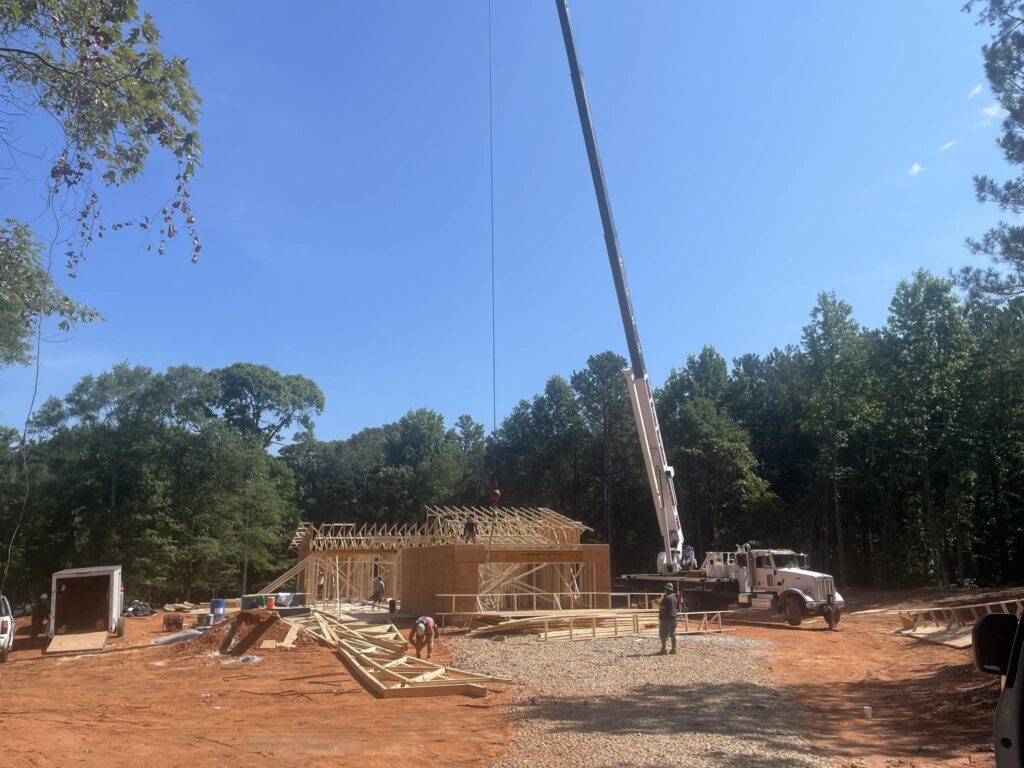
If you hope to begin building in spring, the work may need to start months before the first piece of equipment reaches the homesite.
Fall can be a useful time to choose your land and begin working through the decisions that come before construction. After closing, you may still need to finalize your house plan, select a builder, arrange financing, plan the septic system, secure permits and coordinate utilities.
Buying in fall does not guarantee that construction will begin in spring. Every project moves according to the property, home design, county requirements, builder availability, financing and weather.
It can, however, give you valuable time to turn the idea of building into a clear, property-specific plan.
When Should You Buy Land if You Want to Build in Spring?
If spring is your target, it can be helpful to buy land early enough to complete the planning that must happen before construction begins.
There is no universal number of weeks or months that applies to every build. A buyer who already has a house plan, builder and financing may be in a different position from someone who is still deciding what to build.
The land itself matters too.
A property with completed soil information, a boundary survey, marked property lines, access and a visible homesite gives you more information to work with. A property without that groundwork may require additional investigation before you can confidently plan the home.
The best time to buy is early enough to evaluate the property carefully without rushing the decisions that follow.
Buying the Land and Starting Construction Are Two Different Milestones
Closing on land establishes ownership. It does not automatically mean the property is ready for immediate construction.
Before a builder can begin, several parts of the project may need to come together:
- A final house plan
- A confirmed home location
- A builder and construction agreement
- A complete project budget
- Construction financing
- Septic planning and approval
- Required permits
- Utility coordination
- Final driveway and site-work plans
- Contractor availability
Some of these steps may happen at the same time. Others depend on decisions made earlier.
For example, a lender may need the final house plan and builder’s proposal before completing the construction-loan process. Septic planning may depend on the number of bedrooms and the selected home location. The final driveway route may depend on where the house and garage will sit.
This is why a potential spring groundbreaking often begins with decisions made during fall and winter.
What Can You Do Before Closing?
You do not necessarily have to wait until you own the land to begin evaluating how it may support your plans.
While considering a property, you may be able to:
- Review the boundary survey and recorded plat
- Study the available soil information
- Walk the land with a builder
- Discuss possible home placement
- Review zoning and setback requirements
- Compare house plans
- Speak with construction lenders
- Identify utility providers
- Review the driveway and road access
- Develop an early project budget
These steps can help you decide whether the land fits the home and lifestyle you have in mind.
Formal applications, physical work or binding arrangements may require ownership or written authorization. Confirm what can be completed before closing with the seller, county, lender and professionals involved.
The Sequence From Choosing Land to Breaking Ground
No two builds follow exactly the same schedule. However, most buyers will move through a series of connected stages.
Understanding those stages can help you see how a fall land purchase may support a future spring start.
1. Choose Land That Supports Your Plans
The first step is choosing land based on what you want to do with it.
A home is only one part of that decision. You may also want room for a workshop, barn, guest home, garden, animals, trails or simply more privacy.
Before moving forward, ask:
- Does the zoning support my intended use?
- Are there recorded restrictions?
- What do the soil findings indicate for septic planning?
- Where are the surveyed boundaries?
- How will I enter the property?
- What utilities are available?
- Will I need a private well?
- How does the terrain affect the home and driveway?
- Is there enough usable space for future structures?
Walking the property with your plans in mind can reveal details that are difficult to understand from photographs or acreage alone.
If the land is a strong fit and you need time to make a decision, you may also encounter the term “penciled.” At Millwood, properties are described as Available, Penciled or Sold. Understanding those terms can help you know where a property stands while you evaluate your next step.
2. Complete the Land Purchase
Once you select the property, the purchase moves toward closing.
Depending on how you are buying the land, this stage may include title work, financing, document review and confirmation of the property’s legal description.
This is also a useful time to begin organizing the information your builder and lender may need later, including:
- The recorded plat or survey
- Soil or perc-test information
- Zoning details
- Recorded restrictions
- Utility information
- Access details
- Preliminary house plans
- Early construction estimates
By keeping these materials together, you can make it easier for the professionals involved to evaluate the same property information.
3. Finalize What You Want to Build
Once you know which land you are building on, you can make more informed decisions about the home.
The property may influence:
- The shape and orientation of the house
- Where the front and rear of the home should face
- The location of the garage
- The length and route of the driveway
- Porch and outdoor-living areas
- The possibility of a walkout basement
- Where a workshop or barn could sit
- Future parking and turnaround areas
- How much privacy the home has from the road
A house plan and a piece of land should be evaluated together. A design that works well on one property may need adjustments on another because of slope, setbacks, soil areas, access or drainage.
Fall and winter can provide time to refine these choices before construction begins.
4. Confirm the Home’s Placement
The next step is determining where the home will sit within the property.
This decision may involve the buyer, builder, surveyor, septic professional and other site specialists. Together, they may consider:
- Required setbacks
- Surveyed boundaries
- Soil and septic areas
- Slope and drainage
- Driveway access
- Underground power
- The location of a private well
- Views and natural light
- Privacy from the road
- Space for future structures
On a Millwood Build Ready lot, the homesite is partially cleared. That gives you and your builder a visible area to evaluate.
It does not predetermine the final location of the house. Your design, approvals and construction plan will determine exactly where the home should sit.
5. Turn the Soil Information Into a Septic Plan
For land without public sewer, septic planning is an important part of preparing to build.
A completed perc test or soil evaluation provides information about the soil and identifies areas that may support a septic system. It is not the final septic-system design or county approval.
The next steps may include:
- Confirming the number of bedrooms in the proposed home
- Selecting the home’s proposed location
- Working with the appropriate septic professional
- Designing the system for the specific home and property
- Submitting the septic plan to the county
- Receiving county approval for the septic system
The county’s septic approval is required before the building permit can be issued. Because the septic system must work with the home and the land, changes to the house plan or homesite may affect the septic design.
A completed perc test gives this process a more informed starting point.
6. Select a Builder and Confirm the Project Budget
Builder selection can have a significant effect on when construction begins.
When comparing builders, ask about more than the house itself. Clarify who will manage each part of the site and construction process.
Questions may include:
- What site work is included in the proposal?
- Who coordinates the permits?
- Who handles septic installation?
- Who coordinates the well?
- Who completes the final driveway?
- How are utilities brought to the home?
- Are clearing and grading included?
- How are changes handled?
- What must be completed before the project is added to the schedule?
- When could the builder realistically begin?
A complete budget should account for the home and the property-specific work required to build it.
The most useful estimates are based on an actual house plan and an actual piece of land.
7. Arrange Construction Financing
Land financing and construction financing may involve different processes.
If you are using a construction loan, the lender may request:
- The house plans
- Builder information
- A construction contract or proposal
- A detailed project budget
- Property information
- An appraisal
- Income and financial documents
- A proposed construction schedule
If you already own the land by the time you apply, ask the lender how the land and any existing equity may be considered.
Financing requirements vary by lender and borrower. Speaking with a construction lender early can help you understand what documents and decisions will be needed before the loan can be completed.
8. Work Through Permits and Approvals
The permits required for a project depend on the county, property and type of construction.
They may include:
- Building permits
- Septic approval or permits
- Driveway or access approval
- Erosion-control requirements
- Electrical, plumbing and mechanical permits
- Other property-specific reviews
The timing of these approvals can vary. Applications may also depend on information from the house plan, builder, septic design or site plan.
Rather than assuming permits can be completed within a particular number of days, ask the applicable county departments what your project will require and which documents must be submitted.
9. Coordinate Utilities and Final Site Work
Before construction begins, the builder and site contractors may need to coordinate the physical work that supports the home.
This can include:
- Confirming the electrical-service route
- Planning and drilling a private well
- Finalizing the driveway
- Preparing the building area
- Managing drainage
- Installing the septic system
- Creating space for materials and equipment
- Coordinating temporary power or construction access
The order of these tasks depends on the builder’s process and the requirements of the property.
Utility providers, well drillers, septic installers and site contractors also have their own schedules. Early coordination can help clarify which work must happen before the build and which work will happen during construction.
How Build Ready Land Supports the Process
Millwood’s Build Ready standard gives buyers and builders more physical information to work with before the property reaches the market.
Each Build Ready property includes:
- Driveway installed
- Homesite partially cleared
- Underground power installed
- Perc test completed
- Boundary survey completed
- Property lines marked
- Road access in place
These items connect directly to the planning process.
The road provides access to the property. The driveway leads into the land and toward the partially cleared homesite. The homesite gives you a visible area to evaluate with your builder.
Underground power provides a known starting point for electrical planning. The completed perc test provides information for the septic process. The survey and marked property lines help you understand the land you are planning around.
Build Ready does not mean the property comes with a finished house plan, construction permit or final septic design. It does not determine your home’s exact placement or guarantee a construction date.
It means key groundwork has been completed so your next decisions can begin with more information.
Learn what Build Ready land means at Millwood.
What Could Affect a Spring Start?
A spring start can be a reasonable goal without being a guaranteed date.
The schedule may be affected by:
- How quickly you choose and finalize the house plan
- Builder and subcontractor availability
- Construction financing
- The county’s requirements and review process
- Septic design and approval
- Well and utility coordination
- Weather and ground conditions
- Material availability
- Additional site work
- Changes to the home or project scope
These are not reasons to avoid setting a spring goal. They are the variables to discuss early with your builder, lender and county.
The more of them you understand in advance, the more realistic your plan can become.
How to Use the Winter Productively
The period between a fall purchase and a potential spring start does not have to be a waiting period.
Depending on your project, you can use that time to:
- Finalize the house design
- Confirm the project budget
- Choose the builder
- Complete lender requirements
- Plan the home’s placement
- Move forward with septic planning
- Coordinate power and well requirements
- Review the final driveway plan
- Prepare permit applications
- Choose materials and finishes
- Clarify who is responsible for each part of the work
Some of these steps may move quickly. Others may require revisions, additional information or coordination among several professionals.
The goal is not to force every project into the same timeline. It is to use the time well and reduce the number of unanswered questions before construction begins.
Questions to Ask Before Buying Land in Fall
If spring is your target, ask these questions while evaluating the property:
- Does the zoning support what I want to build?
- Are there recorded restrictions?
- Has a perc test or soil evaluation been completed?
- Is there a boundary survey?
- Are the property lines marked?
- How is the property accessed?
- Is a driveway installed?
- Where does the driveway lead?
- Is underground power installed?
- Will I need a private well?
- Can my builder walk the property before I purchase it?
- What will the county require before construction?
- What work will remain after closing?
- Is my spring goal realistic for this property and house plan?
These questions help connect the land purchase to the construction plan that follows.
So, When Should You Start Looking for Land?
If you want to build in spring, begin looking early enough to choose the land carefully and complete the planning that comes next.
How early depends on how far along you already are.
Do you have a house plan? Have you selected a builder? Have you spoken with a construction lender? Do you know which county you want to build in? Are you comparing prepared land or starting with untouched acreage?
Buying in fall may give you the winter to bring those pieces together. Buying prepared land may also give you clearer information about access, the homesite, soil, power and boundaries from the beginning.
Neither one guarantees that construction will start on a particular date. Together, they can create a more informed path toward your goal.
Spring Starts With the Land You Choose Now
Breaking ground is one of the most visible moments in the building process. Much of the work that makes it possible happens earlier.
If you purchase land in fall, the months that follow can be used to finalize your home, select the right professionals, arrange financing, work through approvals and coordinate the property-specific details.
The exact timeline will depend on your land, builder, county and plans. Starting with prepared land gives you more information as you work through each step.
View Millwood’s available Build Ready properties and choose your land with confidence.
We prepare land so you can buy and build with confidence.