A clear budget gives you more confidence when choosing land because it connects the property you like with the home and lifestyle you are planning.
The land price matters, but it is one part of the complete project. Your budget should also account for the home, water, septic, utility connections and any property work that remains.
You do not need every final number before beginning your land search. You do, however, need the right categories so you can ask better questions and compare properties fairly.
1. The land
Begin with the property’s purchase price and the expenses connected to buying it.
Depending on your situation, this may include:
- The land price
- Financing or lender fees
- Closing costs
- Survey or document-review expenses
- Property taxes
- Insurance, when applicable
If you plan to finance the land and construction separately, ask the lender how each stage will be handled. Loan requirements, down payments and timing can vary, so seek terms based on your specific plans.
2. The home
Your construction budget should be based on the home you actually intend to build.
Discuss the following with your builder:
- The size and design of the home
- Foundation type
- Materials and finishes
- Porches, garages or workshops
- Grading and foundation preparation
- Driveway needs near the home
- Builder allowances and exclusions
Ask for a written scope showing what the builder’s price includes. A quote that covers the house itself may not include every item required to prepare the property or connect services.
3. Water
Many rural properties rely on a private well rather than a public water connection.
Before adding an estimate to your budget, confirm:
- Whether public water is available
- Whether the property requires a private well
- Where the well could be located
- Who will coordinate drilling and testing
- Whether the builder’s proposal includes any water-related work
The property address, intended homesite and local conditions can all affect the scope. A parcel-specific quote is more useful than a general allowance.
4. Septic planning
A perc test completed by a licensed soil scientist provides useful information for septic planning, but it is not the final septic-system design or permit.
Your budget may need to include:
- Septic-system design
- County application and permit fees
- Installation
- Inspections
- Any additional professional review required for the intended home
The number of bedrooms and proposed home location can influence the system planning. Share your intended house details with the appropriate professionals before relying on an estimate.
5. Power and other utilities
“Power available” and “power installed on the property” are not always the same thing.
Ask:
- What electrical infrastructure is already present?
- Where does it end?
- How far is it from the intended homesite?
- What must still be completed?
- Who is responsible for the final connection?
- Is internet service available at the planned home location?
Confirm these details with the relevant providers and your builder. Avoid assuming that nearby service means the final connection is already included.
6. Remaining property work
The amount of work left on the land can vary significantly from one property to another.
Possible items include:
- Driveway construction or extension
- Additional clearing
- Grading
- Drainage work
- Erosion-control measures
- Surveying or staking
- Permit-related work
- Landscaping, fencing or trails
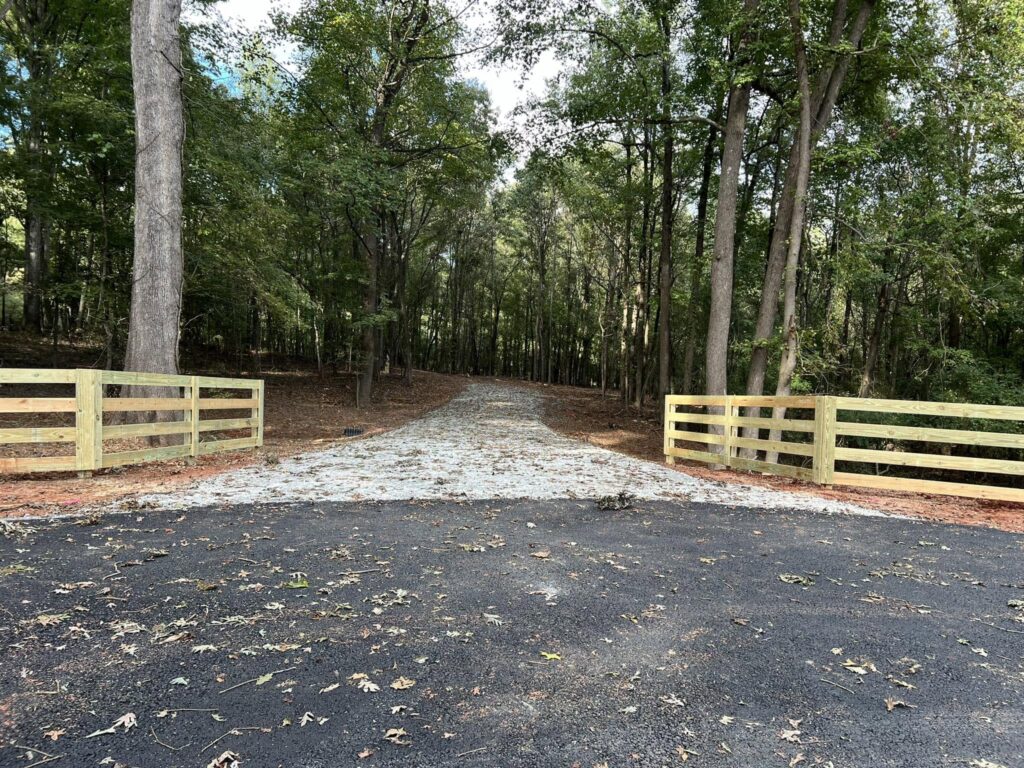
This is where prepared land can make the project easier to understand.
Millwood’s Build Ready standard covers seven groundwork items in this order:
- Driveway installed
- Homesite partially cleared
- Underground power installed
- Perc test completed
- Boundary survey completed
- Property lines marked
- Road access in place
Always confirm the completed work for the specific property you are considering. Build Ready creates a clearer starting point, but the future home, septic system, well and final construction still require property-specific planning.
7. Ongoing ownership
Include the expenses that begin after you choose the land, especially if you plan to build later.
These may include:
- Property taxes
- Insurance
- Loan payments
- Mowing or vegetation management
- Driveway maintenance
- Security or property monitoring
- Well and septic maintenance after construction
Buyers planning to hold land before building should discuss that timeline with their lender, builder and relevant county offices.
A simple land-and-home budget worksheet
Use these categories when gathering property-specific information:
|
Budget category |
What is already completed? |
What remains? |
Who will provide the quote? |
|
Land purchase |
|
|
Lender or closing professional |
|
Home construction |
|
|
Builder |
|
Water or well |
|
|
Water authority or well contractor |
|
Septic |
|
|
Soil or septic professional |
|
Power and utilities |
|
|
Utility providers and builder |
|
Driveway and access |
|
|
Seller, builder or contractor |
|
Clearing and grading |
|
|
Builder or site contractor |
|
Permits and professional services |
|
|
County and relevant professionals |
|
Ongoing ownership |
|
|
Lender, insurer and tax office |
The goal is not to predict every expense before touring land. It is to understand what has already been completed, what still needs to be arranged and who can provide a reliable answer.
Start with the property facts
When you find land you like, request the available survey, soil information, utility details and completed-work list. Then share those documents with your builder, lender and the appropriate professionals.
Millwood prepares and sells its own North Georgia land with no HOA and no deed restrictions. County zoning, setbacks, septic requirements and permits still apply.
Ready to connect your home plans with a property?