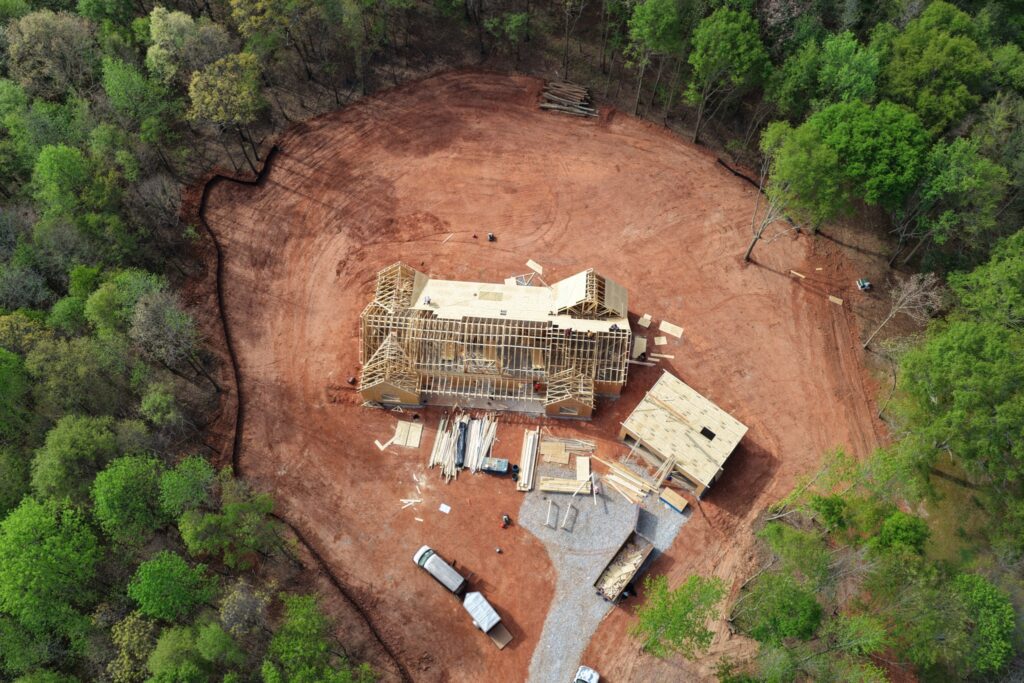
A home with a little more room around it. A garden, a workshop, or a backyard that opens onto trees. Whatever you have in mind, buying land gives you the chance to choose a setting that suits your family.
If Jackson County is on your list, here’s a look at the area and what to find out as you explore properties.
Where is Jackson County, Georgia?
Jackson County is in Northeast Georgia, northeast of Atlanta and near Athens. Communities include Jefferson, Commerce, Nicholson, and Maysville, along with parts of Braselton and Hoschton. I-85 and US 441 are major routes through the county.
You’ll find properties near town as well as quieter rural acreage. Where you choose to live will depend on your work, the surroundings you enjoy, and how close you want to be to everyday services.
Before choosing an area, drive from a property to the places you visit regularly. Try your work route during commuting hours, look up nearby groceries and healthcare, and confirm school assignments for the specific address. If you work from home, ask providers about internet service at the property.
How much does land cost in Jackson County?
Land prices vary with location, acreage, terrain, access, utilities, and the preparation already completed. A price per acre can help you compare listings, but it doesn’t tell you the whole cost.
For each property, ask what remains to be done before construction. That might include clearing, grading, a driveway, power installation, a well, and septic.
A lower-priced lot may need more preparation. A lot with a higher asking price may already have some of that work completed. Ask for a written list of improvements, then have your builder or contractors estimate what remains.
Compare the land price and the remaining work together. That will give you a clearer idea of which property fits your budget.
If you plan to finance the purchase, speak with a lender early. Explain whether you intend to build soon or hold the land for a while, and ask how the land purchase and eventual construction could be financed. Knowing your borrowing options helps you shop with a realistic budget.
How much land do you need?
Start with what you want to do there.
A home with a garden and some privacy calls for a different layout than a home with a large workshop, pasture, or space for extended family. Think about your everyday plans as well as anything you may want to add later.
Acreage matters, but so does the shape and condition of the land. A smaller property with a useful layout may suit you better than a larger one with steep ground or limited space around the homesite.
When you walk a lot, picture where the house, driveway, yard, and other features would go. Your builder can help you assess whether those plans fit comfortably.
Can you build the home you want?
You don’t need finished house plans before looking at land. It helps to know the approximate home size, bedroom count, and any features that matter to you.
If you want a barndominium, workshop, animals, or a future guest house, ask about those plans specifically. Don’t rely on a general description such as “agricultural land.”
First, establish whether the parcel falls under county or city jurisdiction. Jackson County Planning & Zoning handles property and zoning questions for unincorporated areas, including permitted uses, setbacks, and lot requirements. www.jacksoncountygov.com
Recorded deed restrictions need a separate review. A property can have no HOA and still have restrictions, so ask about both. Even where neither applies, local building and land-use requirements remain relevant.
What should you know about septic and water?
For a lot that needs septic, request the soil study and discuss it with your builder and the local Environmental Health office. You’ll want to understand how the proposed home, septic system, driveway, and water supply would fit together.
A completed soil evaluation helps with that assessment, but it is not a septic installation permit. Jackson County has a residential application and review process for septic approval. rules.sos.ga.gov
Share your intended bedroom count and any plans to expand. It is easier to account for those ideas while planning the layout.
For water, confirm whether public service is available to the parcel or a private well is needed. If you need a well, get an estimate for drilling, equipment, and connection to the home. Its location also needs to account for required separation from the septic system. www.jacksoncountygov.com
What is already prepared on the property?
Ask the seller to walk you through the work that has been completed.
Is there a driveway? Is the homesite partially cleared? Where is power located, and what remains to connect the house? “Utilities available” can mean something different from utilities installed near the homesite.
At Millwood Land Company, we prepare and sell our own land. When considering one of our properties, ask us to explain the completed preparation and the remaining steps for that particular lot. That gives you and your builder something concrete to work from.
Access deserves attention, too. If a property uses a private road, have your closing attorney review legal access and any road maintenance agreement. Ask who handles repairs and how costs are shared.
What should you look for during a property visit?
Take your time walking the land, ideally with your builder and the survey available.
Look at the proposed homesite, the route from the road, the slope, and the distance to neighboring homes. Think about where you would spend time outdoors and which trees you would like to keep.
If there is a creek or low-lying ground, ask whether flood areas, wetlands, or buffers affect your proposed use. A creek can be a lovely part of a property; you simply want to understand where it fits into your plans.
Your builder can also identify grading, drainage, or foundation considerations that may affect the budget.
Can you buy now and build later?
If you’ve found the right location but aren’t ready to build, make that timeline part of your questions.
Ask whether any purchase terms, recorded restrictions, or financing conditions require construction within a particular period. Check with your lender about holding the land before building, and budget for ongoing ownership costs such as property taxes and maintenance.
That way, you can decide whether buying now makes sense for your plans.
Where should you start?
Once a property interests you, request the survey or recorded plat, the soil study, and details of utilities and completed preparation. Share those with your builder and clarify any questions about your intended use before committing.
You don’t have to arrive with every decision made. A general idea of the home you want, your budget, and your timeline is a useful starting point.
Schedule a Land Tour with Millwood Land Company to explore a property, review its available documents, and talk through what you would like to build.