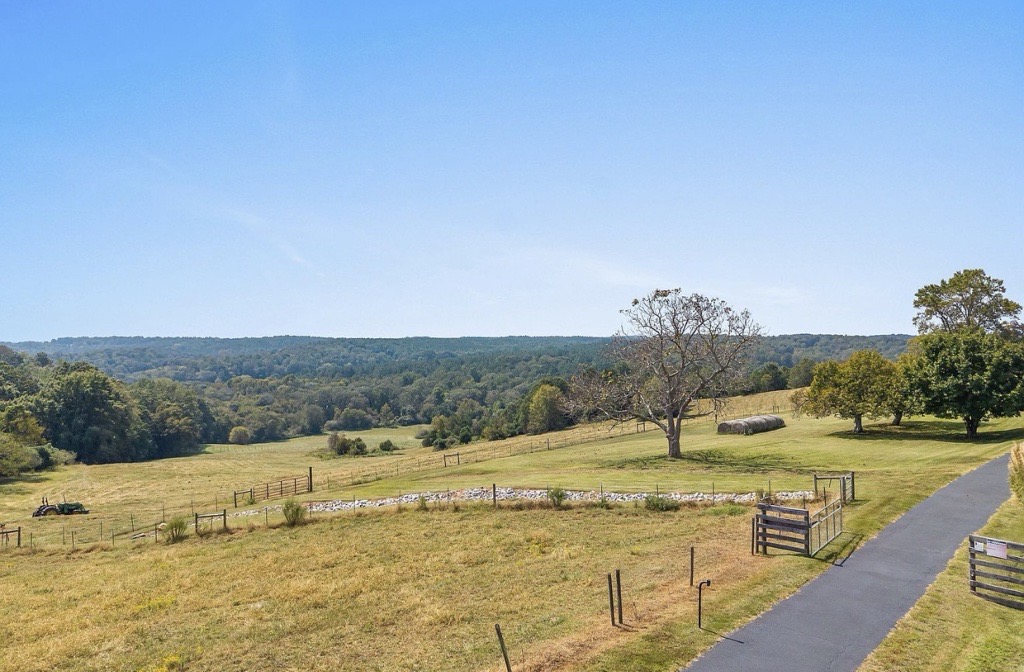
You find a property that feels right, the space, the privacy, the place you can picture coming home to. But you are not ready to build just yet.
Before you buy, there is one cost to include in your plans: property taxes during the time you own the land.
In Georgia, vacant land is generally subject to annual property taxes, even before you build or live there. What you owe depends on the property’s taxable value, local tax rates, and any qualifying exemptions or special assessments.
You do not need to become a tax expert. Start with the records for the lot you are considering and a few specific questions.
How do you find the tax information for a lot?
Start with the parcel number, latest assessment notice, and latest tax bill. Confirm that the records match the exact property you intend to buy, then ask the county about anything that needs clarification.
The assessment notice shows the county’s valuation. The tax bill shows the amount billed for that tax year. The county tax assessor handles valuation and property-record questions; the tax commissioner handles billing and payment questions.
For a newly divided lot, ask:
“Does this record cover my lot, or the larger tract it came from?”
Confirm whether a separate assessment is available. A tax bill for a larger tract does not establish the future bill for an individual homesite.
The seller’s bill is a useful starting point, but your future bill may change with the valuation, local rates, or eligibility for tax benefits.
How are Georgia property taxes on vacant land calculated?
Georgia generally assesses real property at 40% of its fair market value, unless a special assessment applies. That assessed value, minus any applicable exemptions, is used to calculate the tax. The 40% figure is not your tax rate.
The basic calculation for each applicable levy is:
Taxable value × millage rate ÷ 1,000 = property tax
“Millage” simply means the local tax rate. County, school, and municipal levies may apply, depending on the property’s location, and exemptions can differ between levies.
For land in Jackson, Banks, or Hall County, confirm the exact parcel’s tax district and applicable rates. The number of acres alone will not tell you what you owe.
Can you claim a homestead exemption before building?
Planning to live on the property later does not, by itself, qualify vacant land for a homestead exemption. Georgia’s homestead exemption generally requires you to own and occupy the home as your primary residence, subject to eligibility and filing requirements.
If you are buying now and building later, plan for the vacant-land period without assuming a homeowner’s exemption applies.
Once you build and move in, ask the county which exemptions you qualify for and how and when to apply.
What could change when you start building?
Construction can affect the property’s valuation. In Jackson County, the property’s use and condition on January 1 are used to determine its value for that tax year.
As your plans move into construction, ask the assessor how work in progress will be reflected in the assessment. Do not assume the tax impact begins only when the home is finished or you move in.
This gives you two points at which to review your tax information: before buying the land and as construction gets underway.
What if the land is enrolled in a conservation-use program?
If the property is enrolled in Conservation Use Valuation Assessment, commonly called CUVA, ask about the existing covenant before closing. Agricultural zoning alone does not establish eligibility for this tax program.
CUVA provides assessment based on current-use value for qualifying property and generally requires a 10-year commitment to a qualifying use. Changes can affect eligibility, and breaching a covenant can trigger penalties.
The practical question is: “Would buying this property and carrying out my building plans affect the covenant?” Have the county assessor review the circumstances before relying on an existing tax benefit.
What should you confirm before closing?
Keep these five questions with your other property documents:
- Do the records match the lot? Verify the parcel number, acreage, and assessment status.
- Which taxes apply? Confirm the tax district and applicable levies.
- Are there existing tax benefits or obligations? Check exemptions and conservation covenants.
- How are this year’s taxes handled? Ask the closing attorney what the purchase agreement provides.
- Where and when will the bill arrive? Confirm the mailing address and payment deadline.
Buying land before you are ready to build gives you time to plan around a place you have chosen. Checking its tax records early helps you understand the costs of owning it while those plans take shape.
For more questions to ask before choosing your future homesite, download Millwood Land Company’s Land Buyer’s Guide.
Confirm the assessment, exemptions, and billing requirements for your specific parcel with the appropriate county offices.